Showing posts with label bacteria in the mouth. Show all posts

Wednesday, March 9, 2016

Four Tips to Managing Halitosis


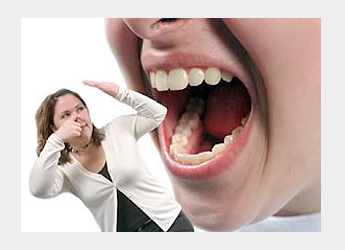
Everyone is impacted by bad breath from time to time, but it doesn’t mean you have to live with it forever. Follow these simple steps to reducing the problem of bad breath and don’t wait for an embarrassing moment with a loved one to remind you that you need to take better care of your dental health. Halitosis can be caused not only by the food you eat but also because of bacteria in the mouth.

The first line of defense against halitosis is brushing and flossing regularly. If you can decrease your risk of periodontal disease, bacteria, and decay you drastically decrease your chance of bad breath. The only way to remove food from the teeth and gums is to brush and floss regularly. 

If you have problems with decay, make sure to get those teeth taken care of right away. Decay left untreated not only can cause extreme pain, and expensive procedures, but it can also make the problem of your halitosis worse. Bacteria not dealt with creates halitosis.

Another way to reduce your bad breath is by drinking water. It increases the saliva production in the mouth. Increased saliva decreases smells and bacteria growth. “The more water you consume the less likely you will be impacted by dry mouth which contributes to bad breath,” says Dr. JudithStrutz.  

For more information on how to combat halitosis, contact Dr. Strutz and her team today.

Thursday, October 30, 2014

The Dangers Of Chewing Ice

 
After you drink that refreshing Ice Coffee on that warm day the ice clinks around in the cup. The tempting nature of the “tink, tink” sound of the ice cubes is calling your name and before you think about it, you have begun to chew on the ice. However, according to Dr. Judith Strutz, “This is a very damaging habit that can impact your smile and cause you thousands of dollars to fix.”

The medical term for individuals that chew ice is called pagophagia.  It is part of a smaller medical term called Pica. Pica is a medical condition where individuals have a compulsion to eat food items that lack nutritional value.  While you are responding to a desire to chew on ice, what you may not realize is that you have a medical condition. For example, you may have an iron deficiency.  

Iron deficiencies that are left untreated can result in fatigue. Iron carries oxygen from the lungs throughout the body. Less oxygen in the body can reduce your ability to think clearly and solve those problems at work. While you may believe that grabbing that cup of ice can help replenish it, it is not a positive solution.

When you constantly chew on ice you are creating a hot-cold cycle in your mouth. This change in temperature can cause tiny fractures on your teeth, which can eventually lead to great damage to fillings and your overall tooth structure.

Furthermore, your gums are very sensitive and require protection. While chewing on a sharp piece of ice you can actually puncture the gums. This open hole in the mouth is then susceptible to bacteria as food particles are chewed.

One easy suggestion: if you are addicted to chewing on ice, try sugarless gum.

And of course, let your dentist or dental hygienist know so they can also help you come up with other solutions.